“Music Therapy is the clinical and evidence-based use of music interventions to accomplish individualized goals within a therapeutic relationship by a credentialed professional who has completed an approved music therapy program. Music therapy interventions can address a variety of healthcare & educational goals.”
-American Music Therapy Association
What is Music Therapy?
Music therapy is a process of thoughtful exploration, aiming to empower the client to take an active role to maintaining or growing their skills in physical, communication, cognitive, social, and/or emotional areas of life.


Music therapists use music-based activities or interventions to assess a person’s strengths and needs, develop goals, & implement services.
The music client’s love or is important to them is used in sessions to enhance the experience.
Individual Music Therapy
Music therapy in a one-on-one environment that uses music based interventions to address non-musical goals such as physical, emotional, social, communication, cognitive, and academic skills.
Services open for all ages and abilities.
An initial assessment will be given to ensure the fit and usefulness of music therapy for each client.
Once approved to begin music therapy, clients may engage in musical experiences such as playing instruments, singing, creating, moving to, and listening to music to address their goal areas.
No previous music experience required to participate!
Have questions or want to learn more about individual music therapy?
Community-Based Music Therapy Groups
The music therapist provides on-site music therapy and wellness groups in residential and day centers for all ages and abilities.
Sessions can support a variety of participant’s emotional & life skills.
Promotes socialization, group cohesion, problem solving, bonding, & more.
Flexible scheduling options to fit your program needs.
Music therapy can compliment facility programming, enrichment, and educational outcomes with coordinated sessions targeting participant’s holistic goal areas.
No previous music experience required to participate!
Have questions or want to learn more about group music therapy?
Evidence-Based Music Therapy
Evidence-based music therapy means that strategies, activities, and the treatment decisions are rooted and validated in scientific research and data which promote client safety, success, and beneficial outcomes. Interventions in music therapy may target the following example goal areas:
Enhance, Support, Increase, or Maintain:
Emotional expression
Communication
Motor skills
Attention
Mood
Executive functions
Coping skills
Attention
Developmental skills
Academic goals
Personal growth
Cognitive stimulation
Sensory processing
Relaxation
Processing lived experiences
Family support
Bereavement or grief support
Speech, Physical, Occupational Therapy goals
Wellness
And More!
Modulate, Decrease, or Reduce:
Isolation
Stress/anxiety
Dysregulation
Agitation
Nausea
Impact of illness
Pain perception
Sensory sensitivity
Symptom management
Symptoms of sundowning
Resistance to care
And More!

What kinds of music experiences happen in music therapy?
In music therapy sessions, clients will have opportunities to engage in music making or music based activities that are specifically designed for that person’s musical preferences & style to target their goal areas. These interventions make look something like exercise, play, learning, restfulness, discovery, active or passive, and are adapted to the client’s in the moment responses and needs.
Types of Interventions
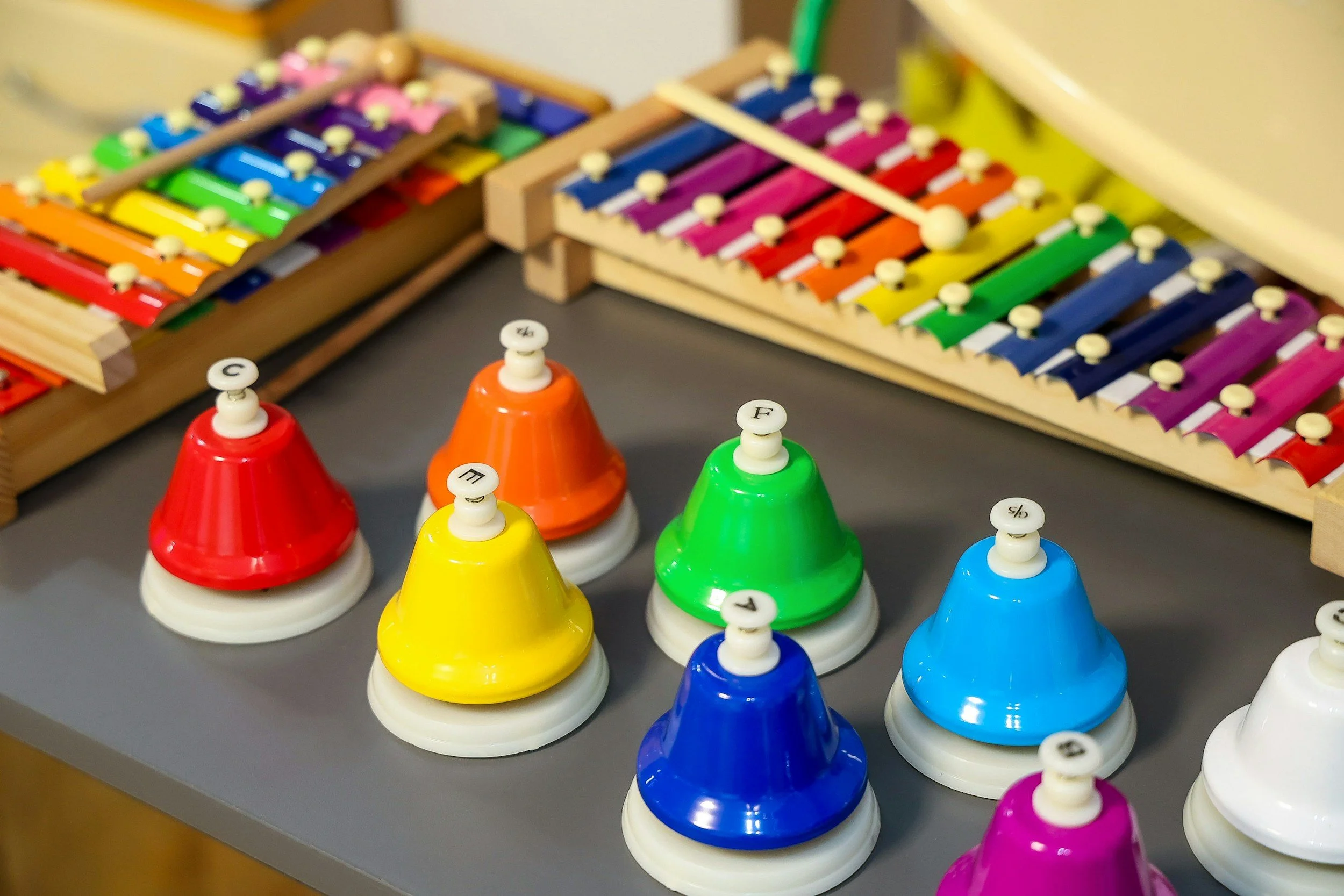
Create vocal, instrumental, digital music
Learn or play musical instruments
Sing
Music listening
Movement to music
Music-assisted relaxation
Song listening & discussion
Improvisation (creating music in the moment)
Reminiscence or life review
Sensory stimulation

Therapeutic conversation
Guided imagery
Imaginative Play
Playlist creation
Song learning
Music games
Music combined with other arts
Co-treatment with other therapies
And More!